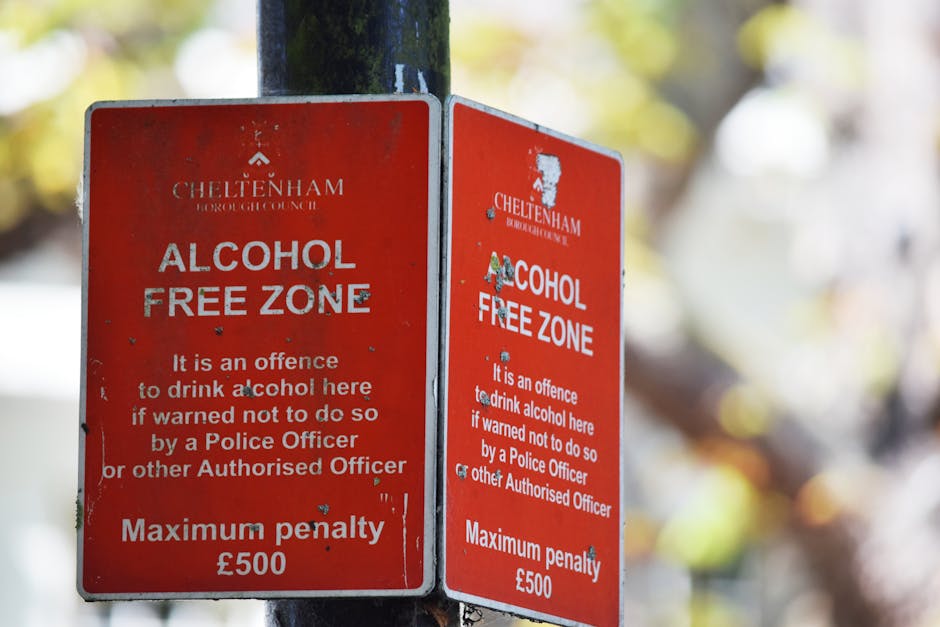
Windrush Square communal garden rules Lambeth Council guide
If you are trying to make sense of the Windrush Square communal garden rules Lambeth Council guide, you are probably dealing with one of two things: a shared garden space that needs clear boundaries, or a practical question about what is allowed, what needs permission, and what keeps everyone on speaking terms. In a place like Brixton, where shared outdoor spaces can become beloved community assets, the rules matter more than people sometimes expect. They shape safety, tidiness, access, planting, noise, and the day-to-day feel of the garden.
This guide explains how communal garden rules usually work in Lambeth, what residents and caretakers should look out for, and how to avoid the classic shared-garden headaches. We will keep it plain English, useful, and realistic. No fluff. Just the sort of guidance that helps when the bins are overflowing, the hedges are creeping, or someone has put a barbecue in the middle of a shared lawn. Yes, that happens.
Why Windrush Square communal garden rules Lambeth Council guide Matters
Communal gardens look simple from the outside. A bit of turf, a few shrubs, maybe a pathway and a bench. In reality, they are shared assets with shared responsibilities, and that means rules are not just paperwork. They are what stops a nice green space from sliding into disputes, neglect, or accidental damage.
For Windrush Square, the practical value is even clearer. Shared spaces need clear expectations on planting, waste, access, pets, play, maintenance, and alterations. Without that, small issues become awkward, then expensive, then personal. Truth be told, it only takes one resident deciding to "just do a quick job" with a spade and a bag of gravel to create a disagreement that lasts months.
Understanding the rules also helps you work with Lambeth Council or with any managing body connected to the site. Even where the formal rulebook is brief, the underlying principles tend to be familiar: keep the space safe, protect shared access, respect neighbours, and avoid changes that affect drainage, sightlines, biodiversity, or day-to-day use.
If you manage, maintain, or simply enjoy the square, this matters because the garden's condition affects more than looks. It affects usability, accessibility, local pride, and how often people bother to look after it in the first place. That's the real cycle. Good rules encourage care. Poor rules invite drift.
How Windrush Square communal garden rules Lambeth Council guide Works
Most communal garden arrangements work through a mix of local authority expectations, leaseholder or resident agreements, site-specific rules, and practical maintenance routines. Not every rule will be written in the same place, which is where the confusion starts. One document may cover access. Another may explain maintenance responsibilities. A third may simply say that alterations need approval. Bit of a patchwork, if we are being honest.
In practice, the rules tend to cover a few core areas:
- Access: who may enter, when, and whether gates or paths must remain clear.
- Use: whether the space is for quiet enjoyment, play, sitting, planting, or occasional organised activity.
- Maintenance: who cuts grass, trims hedges, clears litter, waters beds, and reports damage.
- Alterations: whether new beds, decking, fences, sheds, or hard landscaping need permission.
- Health and safety: safe movement, trip hazards, pest control, tools, and stored items.
- Respect for neighbours: noise, privacy, smoke, waste, and the impact of shared use.
It is also common for communal garden rules to be shaped by practical standards rather than one dramatic legal document. For example, if a pathway is narrow and often wet, then keeping it free of bikes, bins, and planters is part of the rule whether it is written that way or not. The same applies to pruning overgrown shrubs or managing overhanging branches so people can move safely through the space.
If you need support with the garden itself, a service like garden maintenance can help keep the area in line with the day-to-day expectations of a shared site. And where the garden has become cluttered or neglected, garden clearance may be the more realistic first step before any finer improvements are made.
The key thing to remember is that communal garden rules are not only about restriction. They are about keeping the space usable. A rule that prevents one person from making a private change is often the same rule that protects everyone else's access, light, and peace.
Key Benefits and Practical Advantages
Good communal garden rules do a lot of quiet work in the background. You do not always notice them when they are doing their job, which is often the point.
- They reduce disputes. Clear expectations mean fewer arguments about who can do what.
- They protect the look of the site. Shared gardens stay cleaner, tidier, and more welcoming.
- They help maintenance budgets go further. When residents avoid damage and waste, routine work becomes easier and cheaper.
- They improve safety. Clear paths, sensible storage, and proper pruning reduce trip and fall risks.
- They support biodiversity and planting quality. A well-managed communal space is easier to plant and maintain responsibly.
- They make life easier for contractors. A gardener can work more efficiently when access, scope, and responsibilities are clear.
There is also a softer benefit that people sometimes miss: rules make it easier for new residents to settle in. If the expectations are obvious, nobody has to guess whether the garden is for quiet use, whether washing lines are allowed, or whether a raised bed can be added at the end of the path.
In shared Brixton spaces, that kind of clarity matters. The square feels calmer. People look after it more. And when a garden feels looked after, it tends to attract more respectful use. Funny how that works, really.
Who This Is For and When It Makes Sense
This guide is for anyone with a stake in the garden's condition or use. That could be residents, leaseholders, tenants, estate managers, caretakers, housing representatives, or anyone asked to help sort out maintenance responsibilities.
It especially makes sense if you are in one of these situations:
- the communal garden has started to feel neglected or underused;
- there is confusion about who trims, weeds, waters, or clears debris;
- a resident wants to make a change and is not sure whether permission is needed;
- there have been complaints about overgrowth, access, or mess;
- the space needs a practical reset before the next growing season;
- you want to avoid a situation where small maintenance issues become bigger disputes.
It is also useful if you are considering outside help. Shared gardens can look manageable until you actually start tackling them. Then the hidden work appears: edging, green waste, boundary cutting, surface tidy-up, selective pruning, and general safety checks. That is why many people end up looking at ongoing support rather than one-off heroics. A one-off tidy can be fine, but a communal setting often benefits from regular care such as lawn mowing, hedge trimming, and, where needed, more involved tree lopping and removal.
Who does not need this? If you are only looking for a decorative private garden makeover, this article is less about style and more about shared responsibility. Still useful, just a different lens.
Step-by-Step Guidance
If you are trying to bring order to a communal garden, do not start with plants. Start with clarity. That may sound a bit dull, but it saves a lot of pain later.
- Find the governing documents. Look for tenancy information, lease notes, estate rules, or written arrangements that mention shared outdoor areas.
- Check the current site condition. Walk the space slowly. Notice access points, overgrowth, damaged surfaces, storage issues, litter, and any signs of unsafe use.
- Separate facts from assumptions. People often "know" a garden rule, but nobody can quite point to it. Write down only what is actually confirmed.
- Identify the maintenance responsibilities. Who handles grass cutting, hedges, pruning, sweeping, watering, and waste removal? If no one knows, that is the first problem to solve.
- Prioritise safety and access first. Keep paths open, remove hazards, and make sure nobody is blocked out by overgrowth, loose materials, or stored items.
- Agree on what needs permission. Changes like decking, raised structures, fences, or major planting plans should usually be checked before work starts.
- Set a maintenance rhythm. Weekly or fortnightly checks are often better than occasional big clear-ups. Shared spaces prefer consistency.
- Document decisions. A simple note, email, or residents' record helps avoid future "I thought we said..." moments.
- Bring in help where needed. If the task is beyond a basic tidy, arrange professional support and make sure the scope is agreed clearly.
- Review after a month. See what is working, what still causes friction, and whether the garden needs a better routine.
One small but useful trick: take photographs before and after any major work. Nothing fancy. Just enough to show the condition and the improvement. It helps with planning, keeps everyone honest, and can save endless back-and-forth.
Expert Tips for Better Results
Shared gardens respond well to boring consistency. Not glamorous, but true. A steady routine beats a dramatic clean-up every time.
- Keep pruning light and regular. A little hedge attention now prevents a bigger, woodier job later.
- Do not overplant. Communal spaces need breathing room. Too many plants too close together can make maintenance awkward fast.
- Choose low-conflict materials. In shared areas, simple edging and durable surfaces usually age better than delicate features that need constant explanation.
- Make access obvious. If people hesitate at a path, they will use the grass instead. Then the grass becomes the path. You see the problem.
- Plan for waste as part of the job. If you clear a garden but do not plan for green waste, you are only half done.
- Use the garden in a way that matches its purpose. A communal space that is meant for quiet use should not slowly turn into a storage yard. It happens by degrees.
There is also a practical timing tip. Early spring and late summer often reveal the real shape of the space, because you can see what has survived, what has spread, and what needs cutting back. On a damp Brixton morning, that can mean the difference between "not too bad" and "right, this needs a proper plan."
If the site needs a broader rethink rather than just routine care, it may be worth reviewing landscape gardening options or more structural landscaping support. For some communal gardens, that is the point where good maintenance becomes a better long-term investment than repeated patching up.
Common Mistakes to Avoid
Most communal garden problems come from ordinary oversights, not dramatic failures. That is the slightly annoying part. A few common mistakes are worth calling out.
- Assuming permission exists. If nobody has clearly approved a change, do not treat silence as a yes.
- Letting one person "own" the space informally. Helpful residents are great. But shared ownership needs shared agreement, not quiet takeover.
- Ignoring small maintenance tasks. A bit of litter, a broken edging strip, or a loose branch can become the seed of a bigger problem.
- Choosing decorative features before fixing basics. If the garden is cluttered, wet, or hard to access, pretty additions usually make it worse, not better.
- Forgetting about disposal. A pile of cuttings left in the corner does not count as progress.
- Overlooking neighbours' comfort. Noise, smoke, strong scents, or obstructed sightlines may create complaints even if the garden still looks neat.
Another sneaky mistake is failing to define responsibilities after a tidy-up. Everyone feels optimistic for about two weeks, then nobody is quite sure who is meant to keep it that way. That is why simple roles and routines matter more than one-off enthusiasm. A bit unromantic, yes. But effective.
Tools, Resources and Recommendations
You do not need a warehouse of equipment to manage a communal garden properly. Usually, the useful tools are the simple ones, used regularly and safely.
- Basic hand tools: secateurs, loppers, spade, hand fork, rake, and a sturdy broom.
- Maintenance schedule: a shared calendar or written rota for regular checks.
- Photo record: before-and-after images for tracking progress and decisions.
- Waste plan: bags, collection arrangements, and a clear route for green waste removal.
- Safety notes: gloves, visibility of trip hazards, and caution around roots, sharp edges, and uneven surfaces.
For larger tasks, it can be sensible to use professional support rather than trying to solve everything internally. A managed programme may combine routine visits with occasional deeper work, which is often more realistic for a shared site. If budgets are being discussed, the page on pricing and quotes may help you think through how a site can be scoped before any work begins.
Where garden work involves heights, unstable branches, or heavier removal, safety and insurance become part of the conversation, not an afterthought. The relevant health and safety policy and insurance and safety information are worth reviewing before anyone starts lifting, cutting, or climbing around a shared site.
If the work is being arranged through a local garden service, it can also help to understand the company's wider approach by reading the services overview and learning a little more about the team on the about us page. That may sound minor, but trust matters when you are handing over access to a shared space.
Law, Compliance, Standards, or Best Practice
For a communal garden, the most useful approach is to think in terms of compliance and best practice together. The exact rules can depend on the property type, tenancy structure, estate arrangements, and any written permissions already in place. Because of that, it is best to avoid guessing.
As a general rule, shared outdoor areas should be managed with care around:
- access and egress: people should be able to move through the space safely;
- hazard control: anything likely to cause trips, falls, or obstruction should be dealt with promptly;
- permission for alterations: permanent or semi-permanent changes should be checked before work begins;
- neighbor impact: noise, privacy, and visual impact should be considered;
- maintenance responsibility: the duty to keep a shared area in reasonable condition should be clear, even if shared;
- sensible record-keeping: decisions, approvals, and work done should be recorded.
Best practice is usually more important than one-off heroics. For example, trimming back growth before it blocks a route is far better than waiting until access becomes awkward. Removing waste promptly is better than storing it "for later." And agreeing who does what is better than hoping people will just know. They rarely do, to be fair.
When a communal garden contains trees, large shrubs, or dense boundary planting, caution matters. You may need a tree-aware approach, especially where roots, branches, or overhanging growth affect safety or neighbouring property. In those situations, a careful conversation about tree lopping and removal may be necessary, but only after checking the broader implications for the site.
One final point: if there is any doubt about the exact rule or who has authority to approve a change, pause and confirm. A short delay is better than a long dispute.
Options, Methods, or Comparison Table
If you are deciding how to manage the garden, there are a few common approaches. Each has its place, and the best choice depends on size, budget, and how much the space is used.
| Approach | Best for | Pros | Watch-outs |
|---|---|---|---|
| Resident-led tidy-ups | Small gardens with active residents | Low cost, flexible, quick to organise | Can become inconsistent; responsibility may blur |
| Scheduled maintenance visits | Shared spaces needing regular care | Reliable, tidy, easier to budget for | Needs clear scope and access arrangements |
| One-off clearance and reset | Overgrown or neglected gardens | Fast improvement, good starting point | Without follow-up, the garden can slip again |
| Landscape redesign | Problem sites or long-term improvement plans | Can solve access and upkeep issues structurally | Requires planning, budget, and agreement |
In many communal spaces, the best route is a combination: a proper clearance first, then scheduled maintenance, then only a modest amount of design change if the layout still causes problems. That tends to be more realistic than aiming for an Instagram-perfect garden from day one. Let's face it, shared gardens have to work on a wet Tuesday too.
Case Study or Real-World Example
Here is a realistic example based on the kind of situation many Brixton residents recognise. A small communal garden behind a row of homes had become difficult to use. The grass was patchy, hedge growth was leaning over the path, and a few residents had started storing items near the back fence because the space felt neglected.
At first, people disagreed about the problem. Some thought it only needed a quick mow. Others wanted a complete redesign. The turning point came when the residents agreed to treat it as a shared maintenance issue rather than a personal preference debate.
They did three sensible things:
- They checked what the space was actually meant for and which changes required permission.
- They arranged a full tidy-up to remove clutter, cut back the hedge, and restore access.
- They set a simple monthly maintenance routine so the work would not disappear into goodwill and forgetfulness.
After that, the space became easier to use. Not perfect, not magical, just easier. People could cross it without sidestepping bins. The boundary felt more open. And because there was a routine, nobody had to reopen the same conversation every other week. Small win, but a real one.
That is often the real value of understanding communal garden rules. It is not about creating a strict environment. It is about making shared life smoother.
Practical Checklist
Use this checklist when reviewing Windrush Square communal garden arrangements or preparing for maintenance.
- Confirm who is responsible for the space.
- Check whether any changes need permission before work starts.
- Walk the garden and note access problems, hazards, and overgrowth.
- Remove litter, loose debris, and items blocking paths.
- Cut back hedges, shrubs, and edges where they affect safety or access.
- Decide what is routine maintenance and what is a larger project.
- Make a waste removal plan before trimming or clearing begins.
- Record decisions and keep photos for reference.
- Agree how often the garden will be checked.
- Review whether the layout still works for the people using it.
If you can tick most of those items, you are already ahead of many communal spaces. Seriously. A clear process beats a grand intention every time.
Get a free quote today and see how much you can save.
Conclusion
The Windrush Square communal garden rules Lambeth Council guide is ultimately about making a shared green space work in the real world. That means clarity, consistency, safety, and a bit of neighbourly discipline. Not perfection. Just enough structure to stop the garden slipping into avoidable chaos.
If you remember one thing, make it this: communal gardens thrive when responsibilities are clear and maintenance is regular. Once that part is sorted, the rest becomes much easier. A tidy path, a manageable hedge line, a clear access point - they all add up. And in a local shared garden, those small things are the difference between a space people avoid and a space people actually enjoy.
With the right approach, Windrush Square can stay useful, welcoming, and quietly loved for the long term. That's the goal, really. Steady care. Shared respect. A garden that feels looked after.
Frequently Asked Questions
What are communal garden rules in a shared Lambeth property?
They are the expectations that govern access, use, maintenance, and alterations in a shared outdoor area. In practice, they help everyone understand what is allowed and who is responsible for different tasks.
Do I need permission to make changes to a communal garden?
Usually, yes, if the change is permanent, structural, or likely to affect access, drainage, privacy, or appearance. Always check the written rules or speak to the responsible managing party first.
Who is responsible for maintaining a communal garden?
That depends on the property setup. It may be the council, a landlord, a managing agent, a residents' group, or a shared arrangement. The responsibility should be stated somewhere, even if not very clearly.
Can I plant flowers or shrubs in a shared garden?
Sometimes, but only if planting is allowed and the area is designated for it. Shared spaces can become messy if everyone plants independently, so agreement matters.
What if the communal garden has become overgrown?
Start with a safe clearance and then move into regular maintenance. A one-off tidy-up can reset the space, but ongoing care is usually what prevents the same problem from returning.
Are decking or hard landscaping changes allowed in a communal space?
Not automatically. Features like decking, paving, or raised structures often need approval because they affect use, safety, and future maintenance. If in doubt, check before anything is installed.
How often should a communal garden be maintained?
There is no single rule, but regular checks are better than occasional big jobs. Grass, hedges, and borders usually benefit from a routine rather than waiting until everything looks wild.
What should I do if another resident keeps changing the garden?
Keep notes, check the written arrangements, and raise the issue through the proper channel. Shared gardens work best when personal preference does not overrule agreed use.
Is it worth hiring a professional gardener for a communal garden?
Often, yes, especially if access, safety, or consistency matters. Professional help can be more efficient for communal areas than relying on ad hoc resident effort alone.
How do I know if a tree or hedge needs attention?
If it is blocking access, causing shade or privacy problems, creating a safety risk, or growing into paths and boundaries, it probably needs review. Dense growth in a shared garden can get out of hand quickly.
What is the best first step if nobody agrees on the garden rules?
Find the existing documents and create a short, practical summary of what they actually say. People often argue from assumption, so getting the facts together is a good reset point.
Can maintenance work be done while residents are using the garden?
Yes, but it should be planned carefully. Good access, clear timing, and basic safety measures matter. In a communal setting, people should not be surprised by noisy or disruptive work.