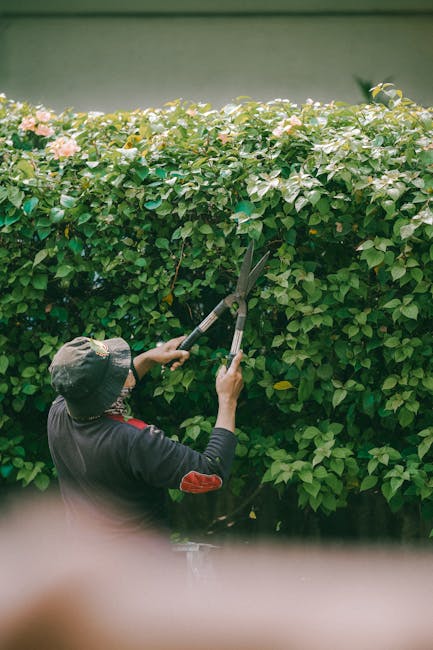
Brixton Gardeners Pricing Mistakes to Avoid When Booking
Booking a gardener should feel straightforward. You explain what needs doing, get a quote, agree the work, and move on. In reality, that tidy little process can get messy fast if you overlook the way pricing is put together. With Brixton gardeners, the biggest problems usually are not the gardening itself; they are the assumptions people make before the job even starts. Hidden extras, vague scopes, hourly surprises, and "cheap" quotes that do not include the real workload can all turn a sensible booking into a frustrating one.
This guide walks through the Brixton gardeners pricing mistakes to avoid when booking, so you can compare quotes properly, ask the right questions, and choose a service that fits the garden and the budget. If you want a clearer starting point, the pricing and quotes page is a useful place to understand how a professional gardening service should present costs. And if you are planning a broader tidy-up, you may also want to look at services overview to match the job to the right type of work.
Table of Contents
- Why pricing mistakes matter
- How garden pricing usually works
- Key benefits of booking with pricing clarity
- Who this is for and when it makes sense
- Step-by-step guidance
- Expert tips for better results
- Common mistakes to avoid
- Tools, resources and recommendations
- Law, compliance, standards, or best practice
- Options, methods, or comparison table
- Case study or real-world example
- Practical checklist
- Conclusion
- Frequently asked questions
Why Brixton gardeners pricing mistakes to avoid when booking Matters
Let's face it: most people do not book a gardener every week. You might do it once for a spring tidy-up, then again after the hedge gets away from you, or when the garden has become a bit of a jungle after winter. That irregularity makes pricing easier to misread. If you are not used to garden work quotes, it is very easy to focus on the headline number and ignore what sits underneath it.
That matters because garden work is rarely a neat, one-size-fits-all job. A small lawn cut can be simple. A one-off clearance after months of growth is not. A quote that looks low may assume light work, no waste removal, easy access, and minimal time on site. If any of those assumptions are wrong, the final bill can move. Sometimes only a little. Sometimes enough to annoy everyone involved, which is nobody's favourite outcome on a wet Tuesday morning.
In Brixton, there is also the practical reality of tight access, terraced properties, side passages, shared entrances, and parking that can complicate even routine visits. That does not mean garden services are expensive by default. It just means the quote has to match the actual conditions. Clear pricing protects both sides: you know what you are buying, and the gardener knows what they have agreed to do.
Expert summary: The best price is not always the lowest price. It is the quote that explains the work properly, includes the likely extras, and feels consistent from first discussion to final invoice.
How Brixton gardeners pricing mistakes to avoid when booking Works
Gardeners typically price work in one of a few ways: fixed quote, hourly rate, or a blended approach where certain tasks are fixed and others are charged according to time, materials, or waste. Each method can be fair. Each can also be misunderstood.
A fixed quote gives you more certainty, but only if the scope is written clearly. For example, "front and back garden tidy-up" can mean very different things to different people. Does it include weeding? Raking? Green waste removal? Cutting back shrubs? Sweeping paths? If those points are not settled before the booking, the quote can become less useful than it looked on screen.
An hourly rate can be sensible for open-ended work, such as a garden clearance where the extent of the job is still being assessed. The problem is that some customers hear "hourly rate" and mentally convert it into a whole-job price. That is how people end up surprised. If the work takes longer because there is dense growth, damp waste, broken sacks, or awkward access, the final figure naturally rises.
There are also pricing elements that are easy to miss:
- Waste removal: green waste, soil, branches, and mixed garden debris may need separate handling.
- Access issues: long carries from the garden to the van can add time and labour.
- Equipment needs: some jobs need specialist tools rather than standard hand tools.
- Safety considerations: work near trees, height, or unstable structures can change the plan.
- Seasonal demand: busy periods can affect appointment availability and lead times.
That is why the most useful question is not simply "How much?" It is "What exactly is included?"
Key Benefits and Practical Advantages
Getting pricing right before you book brings a lot of quiet benefits. Nothing dramatic. Just less hassle, fewer awkward calls, and a much better chance of feeling that your money was well spent.
1. Better budget control. If you know whether waste removal, hedge cutting, or follow-up labour is included, you can budget properly instead of guessing. That is especially useful if you are planning multiple jobs, such as garden maintenance alongside hedge trimming or lawn mowing.
2. Cleaner comparisons. Two quotes that look different may actually be covering different things. Once you compare like for like, the "cheaper" one may not be cheaper at all.
3. Less risk of conflict. Most pricing disputes start with an unclear expectation. A good booking conversation reduces that risk before anyone turns up with tools and a van.
4. More suitable service choice. Some gardens need general upkeep. Others need a proper reset. Matching the service to the task often saves money because the job is planned properly from the start.
5. More confidence in the result. When pricing makes sense, the whole service feels more professional. You are not left wondering what has been left out or why the total changed. That peace of mind is worth something, honestly.
Who This Is For and When It Makes Sense
This topic matters to anyone booking a gardener in Brixton, but it is especially useful if you fall into one of these groups:
- Homeowners who want seasonal clear-ups, lawn care, hedge cutting, or regular upkeep.
- Landlords and letting agents who need gardens turned around quickly between tenancies.
- Tenants trying to meet a check-out expectation without overpaying for work they do not need.
- Older residents or busy households who prefer a trusted service to do the heavy lifting.
- People planning bigger changes such as landscaping, decking, or structural garden work.
It also makes sense if you have not booked gardening help for a while. The older the garden gets, the more likely it is that pricing has to account for accumulated work rather than just a neat one-off task. A patchy lawn, a hedge that has gone slightly wild, and a back corner full of clippings all add up.
If your job goes beyond tidying and into transformation, the right starting point may be landscaping or even landscape gardening. Those jobs are usually priced very differently from routine maintenance, so it helps to be clear from the outset.
Step-by-Step Guidance
Here is a practical way to avoid pricing mistakes before you book. Nothing fancy. Just a method that works.
- Define the job in plain English. Write down what needs doing. "Front garden tidy-up" is too vague. Try "cut front lawn, trim ivy back from path, remove weeds from borders, and take away cuttings."
- Separate essentials from nice-to-haves. You might need the hedge cut and the lawn mowed, but not the whole bed reworked. Knowing the difference helps keep the quote focused.
- Ask how the price is calculated. Is it fixed, hourly, or based on labour plus disposal? A good provider should explain this clearly without sounding evasive.
- Check what is included. Ask about materials, waste removal, travel, parking, and whether the quote assumes easy access. Small details matter. Quite a lot, actually.
- Share photos if requested. A few honest pictures can improve the estimate and reduce surprise on the day.
- Ask about possible extras. If the gardener finds extra waste, tree work, or difficult access, how will that be handled? What changes the price?
- Compare quotes on scope, not just cost. The lower price may exclude the very things you actually need.
- Confirm the booking in writing. A simple written summary reduces misunderstandings later.
If you are booking something more involved, such as garden clearance after a long gap, this process becomes even more important. Clearance jobs can look simple from a distance and then turn out to be a fair bit more involved once work begins.
Expert Tips for Better Results
From a pricing perspective, the smartest customers are the ones who think like planners, not shoppers hunting for the lowest number.
Be specific about access. If there is no direct rear access, mention it. If the garden is behind a basement flat, via a narrow side passage, or up several flights of steps, say so early. It is a boring detail that can save a lot of friction.
Describe the condition, not just the task. "Trim the hedge" sounds simple. "Trim the hedge, which is currently overgrown and nesting birds may be present" gives a more useful picture. That is not just about price; it also helps with timing and feasibility.
Ask whether the quote is based on a site visit or remote estimate. A photo estimate can work well for straightforward jobs, but more complex work may need an in-person look. That is not a red flag. It is sensible.
Think in terms of outcomes. Do you want the garden "tidy," "maintained," or "fully cleared"? Those are not the same thing. The wording you use affects the amount of work, and therefore the price.
Watch out for rushed promises. If a quote is unbelievably fast and oddly low, pause. Sometimes it is fine. Sometimes it is a sign that the provider has not properly understood the job. A quick quote is not the same as a good one.
Keep a small margin in your budget. Truth be told, gardens are organic spaces. Surprises happen. Roots hide. Waste weighs more than expected. A bit of flexibility helps.
Common Mistakes to Avoid
This is the bit that saves people the most money. And probably the most irritation too.
- Choosing the cheapest quote without checking scope. A low price is only valuable if it covers the same work as the others.
- Not asking about waste removal. Green waste removal is often a separate cost or a defined part of the job. Assuming it is included can be expensive.
- Forgetting about access and parking. In Brixton, access can affect labour time more than people expect. A long carry from the property to the vehicle is not trivial.
- Mixing regular maintenance with one-off remedial work. Mowing and weeding may be priced differently from clearing thick overgrowth or dealing with a neglected space.
- Ignoring seasonal pressure. After storms or in peak growing season, demand can rise and job lengths can increase. The garden never checks the calendar, unfortunately.
- Assuming all gardeners quote the same way. They do not. Some prefer fixed prices; others prefer hourly or site-based estimates.
- Leaving out special tasks. Hedge shaping, tree cutting, stump-related work, or debris disposal can change the final cost.
- Not confirming the final arrangement. A verbal conversation is helpful, but a written summary is better.
One especially common mistake is treating garden work like a flat household service. It is more variable than that. A neat little patio can sit beside a patch of brambles and an awkward side return. The quote has to reflect the real garden, not the ideal version in your head.
Tools, Resources and Recommendations
You do not need a full project management system to book a gardener well. A few simple tools are enough.
- Photos from your phone. Take a wide shot and a couple of close-ups. Morning light helps, but any clear image is better than none.
- A short written brief. Keep a note of the exact tasks, preferred timing, and any access information.
- A measuring tape or rough dimensions. You do not need a surveyor's report. Even approximate lawn size or hedge length can make estimates more accurate.
- A question list. Write down what matters most before you start calling around. That way you do not forget the important bits.
- A clean payment process. If you want reassurance on how transactions are handled, the payment and security information is worth reviewing.
It also helps to look at the company background before booking, especially if you are trusting someone with regular access to your home. The about us page can give you a sense of how the business presents itself, while the insurance and safety page is useful if you want to understand how risk is managed.
For larger or repeat work, a clear maintenance plan can be more cost-effective than repeatedly booking ad hoc visits. If the garden needs ongoing attention, garden maintenance is often a better fit than chasing individual jobs one by one.
Law, Compliance, Standards, or Best Practice
Pricing itself is not usually the legal issue. The bigger concern is whether the work is carried out safely, described honestly, and agreed properly. In UK practice, reputable gardening services should be clear about what is included, what is excluded, how they handle access and waste, and what happens if the job changes.
For anything involving trees, height, heavy cutting, or potentially hazardous equipment, safety matters. That is where a provider's working methods and insurance approach become important. A sensible customer does not need to quiz someone like an inspector, but it is reasonable to ask basic questions about risk, equipment, and responsibility. If a job seems unusually complex, the price should reflect that complexity.
It is also good practice to check contract terms before confirming. The terms and conditions page can help you understand the general booking framework, cancellation expectations, and how service agreements are handled. If you are concerned about how issues are raised or resolved, a complaints process is another sign that the business is organised rather than improvised.
For jobs involving cutting, lifting, or disposal, a professional approach to waste and site tidiness is part of good practice too. That is not just about looking neat at the end. It is about leaving the garden safe, usable, and properly managed. If sustainability matters to you, the recycling and sustainability page may also be relevant, especially for larger clearances or repeated green waste.
And if you want a broader view of how the company frames its customer service and operational policies, it can be useful to read the health and safety policy alongside the complaints procedure. A bit dry, perhaps, but very revealing when you are deciding who to trust.
Options, Methods, or Comparison Table
Different booking methods suit different types of garden work. Here is a simple comparison to help you judge pricing more fairly.
| Pricing method | Best for | Pros | Watch out for |
|---|---|---|---|
| Fixed quote | Clear, defined jobs | Budget certainty, easy to compare | Scope must be precise or extras may appear |
| Hourly rate | Unclear or variable jobs | Flexible, useful when the extent is unknown | Total cost can rise if the job is bigger than expected |
| Site-based estimate | Medium to large gardens | More accurate than guessing from description alone | Can still shift if the work changes on the day |
| Task bundle | Routine upkeep | Good value when several small jobs are grouped together | Make sure every task in the bundle is listed clearly |
If the work is mostly routine, bundling may make sense. If it is a one-off reset, a fixed quote or site estimate is often more realistic. For larger visual changes, especially where structures or layout are involved, it may be worth reviewing landscape gardening or decking services rather than treating the job as a standard tidy-up.
Case Study or Real-World Example
A typical Brixton example goes like this. A homeowner books what they think is a simple spring tidy-up: mow the lawn, cut back the hedge, and clear some debris from the back of the garden. The first quote looks attractive. It is lower than the others, so naturally it catches the eye.
On the day, though, the gardener finds more to do than expected: the hedge is thicker than it looked in photos, the path is blocked by stored pots, and the waste pile needs a proper removal plan. Suddenly the original assumption about time no longer fits the actual job. No one has done anything wrong, necessarily, but the pricing conversation was too loose.
The better version would have been very simple. The customer could have sent a couple of photos, mentioned access through a narrow side passage, and asked whether waste removal was included. The gardener could then have priced the work more accurately, or advised splitting it into a maintenance visit and a clearance visit. That second approach often feels calmer on both sides. Less drama. Fewer surprises.
That is the real lesson here: not that quotes should be complicated, but that they should be honest about the work in front of them. A garden is not a spreadsheet. It changes with the seasons, the weather, and a bit of neglect. Pricing has to follow reality, not wishful thinking.
Practical Checklist
Use this before you confirm a booking.
- Have I described the job clearly, in specific terms?
- Do I know whether the price is fixed, hourly, or estimated?
- Have I asked what is included and what counts as extra?
- Have I mentioned access issues, parking, or shared entry points?
- Have I checked whether waste removal is part of the quote?
- Have I compared the quotes on scope, not just cost?
- Do I understand the likely timing and whether the job may take more than one visit?
- Have I reviewed the relevant booking terms?
- Do I know how payment is handled?
- Have I kept a written record of the agreed work?
Quick reminder: if you can answer "yes" to most of those, you are already ahead of the game. That is where the money-saving tends to happen, quietly, before the first tool comes out.
Conclusion
A good gardening booking should feel clear, fair, and calm from the beginning. The biggest Brixton gardeners pricing mistakes to avoid when booking usually come from vague job descriptions, rushed comparisons, and assuming that every quote includes the same things. Once you slow down enough to compare scope, access, waste removal, and payment terms properly, the whole process becomes much easier to trust.
In practice, the best result is not the lowest price. It is the right price for the right job, with no awkward surprises hanging around afterwards. If you are planning a one-off tidy-up, regular upkeep, or something more involved, taking ten minutes to clarify the booking can save you far more time later. And, frankly, a lot of aggravation too.
Get a free quote today and see how much you can save.
When you book with care, the garden gets the attention it needs, and you get that satisfying feeling of having done it properly. Small win, but a real one.
Frequently Asked Questions
What is the most common pricing mistake people make when booking a gardener in Brixton?
The most common mistake is comparing quotes only by the headline number. A lower price may exclude waste removal, labour for awkward access, or extra tasks that another quote already includes. Always compare scope as well as cost.
Should I choose a fixed quote or an hourly rate?
It depends on the job. Fixed quotes work well when the task is clearly defined. Hourly rates can suit jobs where the amount of work is hard to judge upfront, such as a badly overgrown garden or a large clearance.
How can I tell if a gardener's price is realistic?
A realistic price usually comes with a clear explanation. It should make sense against the amount of work, the size of the garden, the access, and whether waste disposal is included. If a quote is very low and not explained well, be cautious.
Do garden quotes normally include waste removal?
Not always. Some quotes include green waste removal, while others treat it as an extra. That is one of the most important things to confirm before booking, especially for clearance jobs or hedge cutting.
Why do access issues affect pricing?
Access issues can make the job take longer and require more labour. If tools, cuttings, or debris need to be carried a long way, that adds time. Narrow side passages, steps, or restricted parking can all influence the final quote.
Is it worth paying more for garden maintenance instead of booking ad hoc jobs?
Often, yes. If your garden needs regular attention, a maintenance arrangement can be more efficient than repeatedly booking separate one-off visits. It can also help prevent larger, more expensive jobs later on.
What details should I give when asking for a quote?
Be specific about the tasks, garden size, access, visible waste, and any time-sensitive issues. Photos are very helpful. If the work involves hedge trimming, lawn mowing, or clearance, say so clearly rather than using broad phrases like "tidy-up."
Can a quote change after the gardener arrives?
It can, if the actual job turns out to be different from the description provided. That is why it is best to give honest details upfront. If the work changes significantly on the day, a revised price may be reasonable.
What should I read before confirming a booking?
Check the pricing and quote information, the terms and conditions, and anything about insurance or safety. Those pages help set expectations and reduce the chance of misunderstandings later.
Are cheaper gardening services always poor value?
Not necessarily. Sometimes a low price is genuine. But if the quote is unusually cheap, make sure it covers the same work as the others. Cheap and clear can be excellent. Cheap and vague, not so much.
How do I avoid paying for work I do not need?
Break the job into parts. Decide what is essential, what can wait, and what is optional. That helps the gardener price the right scope instead of building in tasks you never asked for in the first place.
When should I book a site visit rather than relying on photos?
Use a site visit for larger, more complex, or access-heavy jobs. Photos are fine for many routine tasks, but they do not always show slope, hidden waste, or awkward carrying distances. For anything uncertain, an in-person look is usually worth it.